




Training With Confidence: A Year on the Alias Belt System
Training is where gear proves itself. It’s easy for something to feel great standing still or during a dry run—but after hundreds of hours of repetition, range days, and competition pressure, the weak points always show. That’s why I put so much value in equipment that disappears when it’s doing its job right.
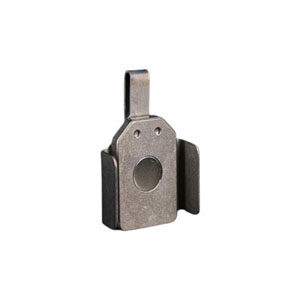
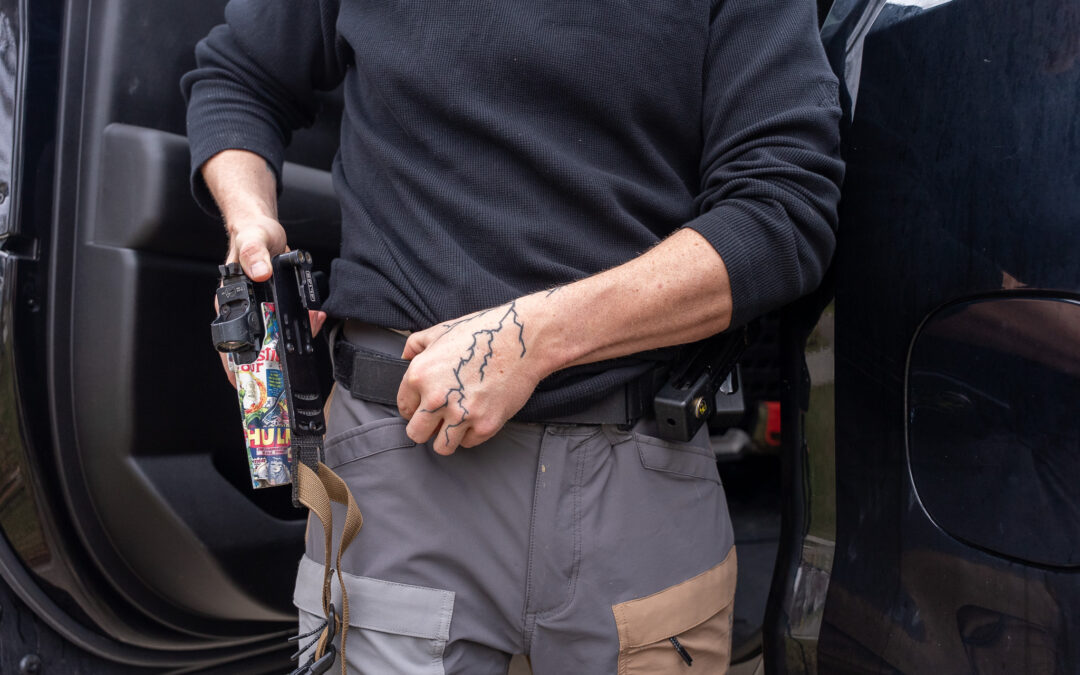
I’ve been running the Alias Low Profile Belt System for a little over a year now, and in that time it’s become a constant across everything I do—from everyday carry to high-round-count match days.
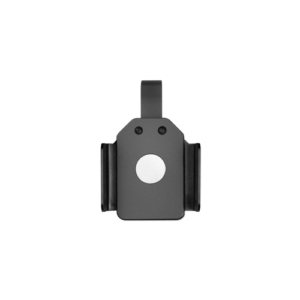
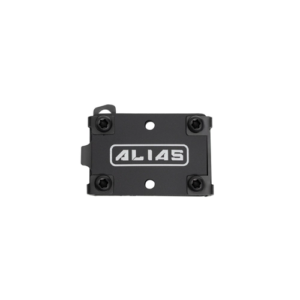
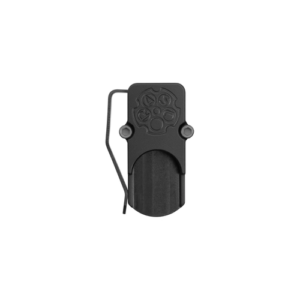
My daily setup usually starts with an IWB holster locked into an Alias receiver. Whether I’m heading out for errands or spending a full day moving around, the low-profile belt stays comfortable and secure without screaming “range gear.” The ability to lock in quickly, know my carry position is consistent, and move on with my day is something I don’t take for granted. Comfort matters—but consistency matters more.
Where the system really shines is in training and competition. Over the last year, I’ve shot 15+ matches, including two major matches, running OWB adapters for competitive shooting. As I head into 2026—starting with the Florida State Championship as my first major of the year—I’m running the same belt system I trust every week.
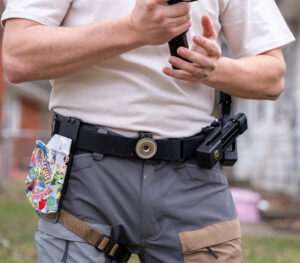
Training days demand flexibility. Some sessions focus on draw speed, others on movement, reloads, or stage efficiency. The Alias system lets me set up my receivers exactly where I need them and keep everything locked in place. If I want to adjust gear placement or rotate equipment for a different focus, it takes seconds—not minutes of re-threading belts or fighting Velcro.
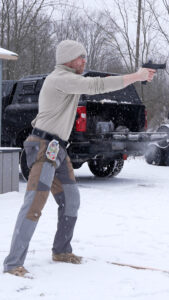
That matters when training time is limited. Being able to toss my gear on, lock it into place, and start working immediately keeps my focus where it belongs—on performance, not setup.
At the end of the day, good gear should support training, not distract from it. The Alias Belt System has earned its place by being adaptable, secure, and simple. Whether I’m running drills, shooting a local match, or stepping onto the line at a major, it’s one less variable I have to think about—and that’s exactly how it should be.
~ Michael Billings